
Roof lanterns installedon kitchens and extensions acrossKent, London and Surrey
Bring architectural daylight into the heart of the house with a slim-frame aluminium roof lantern, designed, supplied and installed for a fixed price by the same family-run team since 1998.
FENSA registered · £5m Public Liability · 10-year workmanship guarantee
What we do, roof lanterns
A roof lantern is a raised, pitched glazed structure that sits on a flat-roof extension to bring daylight down into the room. We supply and install slim-frame aluminium roof lanterns across Kent, London, Surrey and the South East, typically on kitchen and dining extensions.
This service is for homeowners at design stage on a rear extension who want the extension to feel bright and generous, and for owners of existing flat-roof extensions where an inserted roof lantern instantly transforms the room below.
Professional installation matters because a roof lantern is a glazed roof structure. Upstand kerb detail, weather flashing, drainage and thermal performance all need to be right first time. Every lantern we install sits on a properly-built insulated upstand with correct flashing detail, not lifted straight onto a flat-roof felt.
A snapshot of recent Swift installations
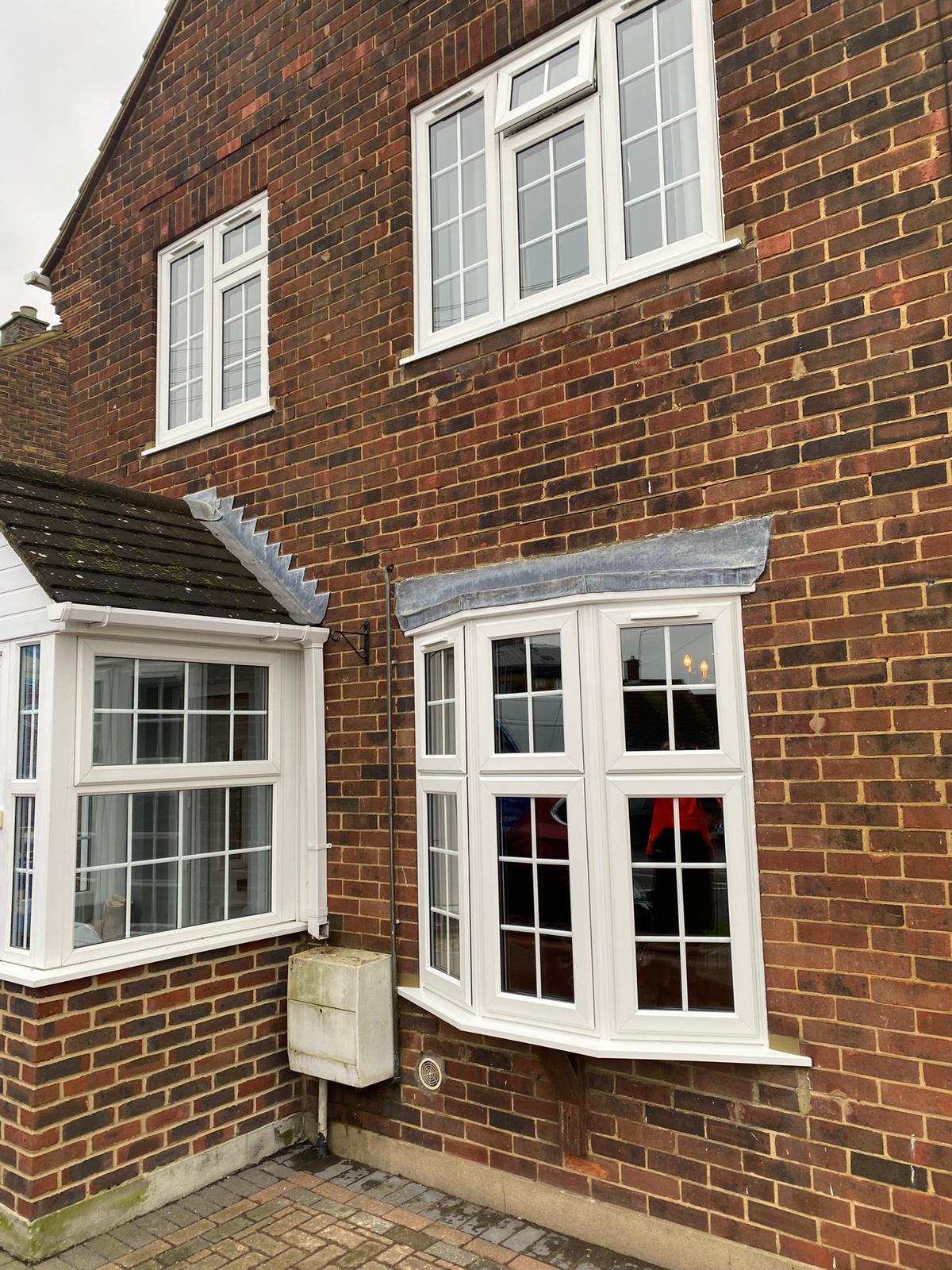
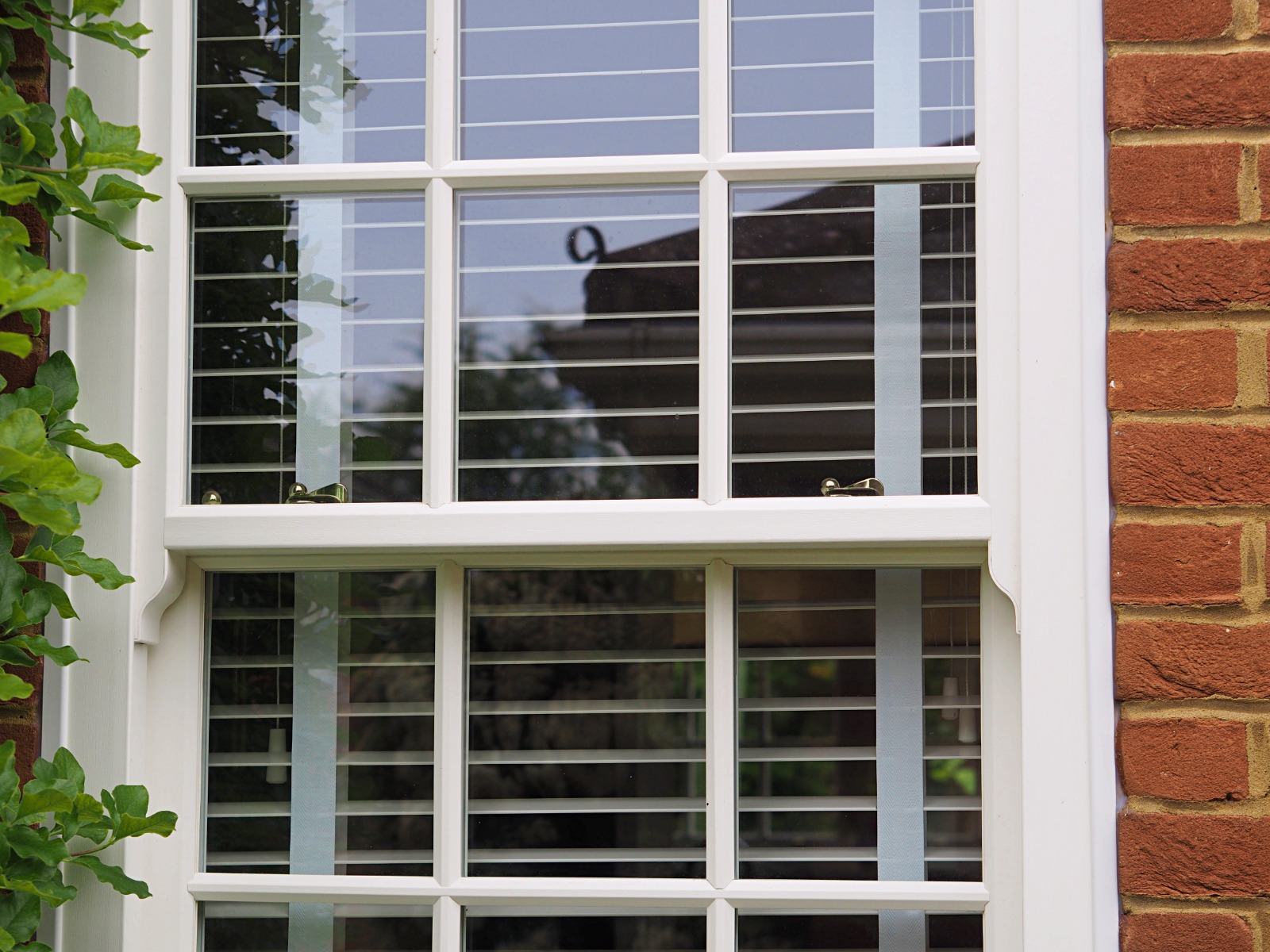
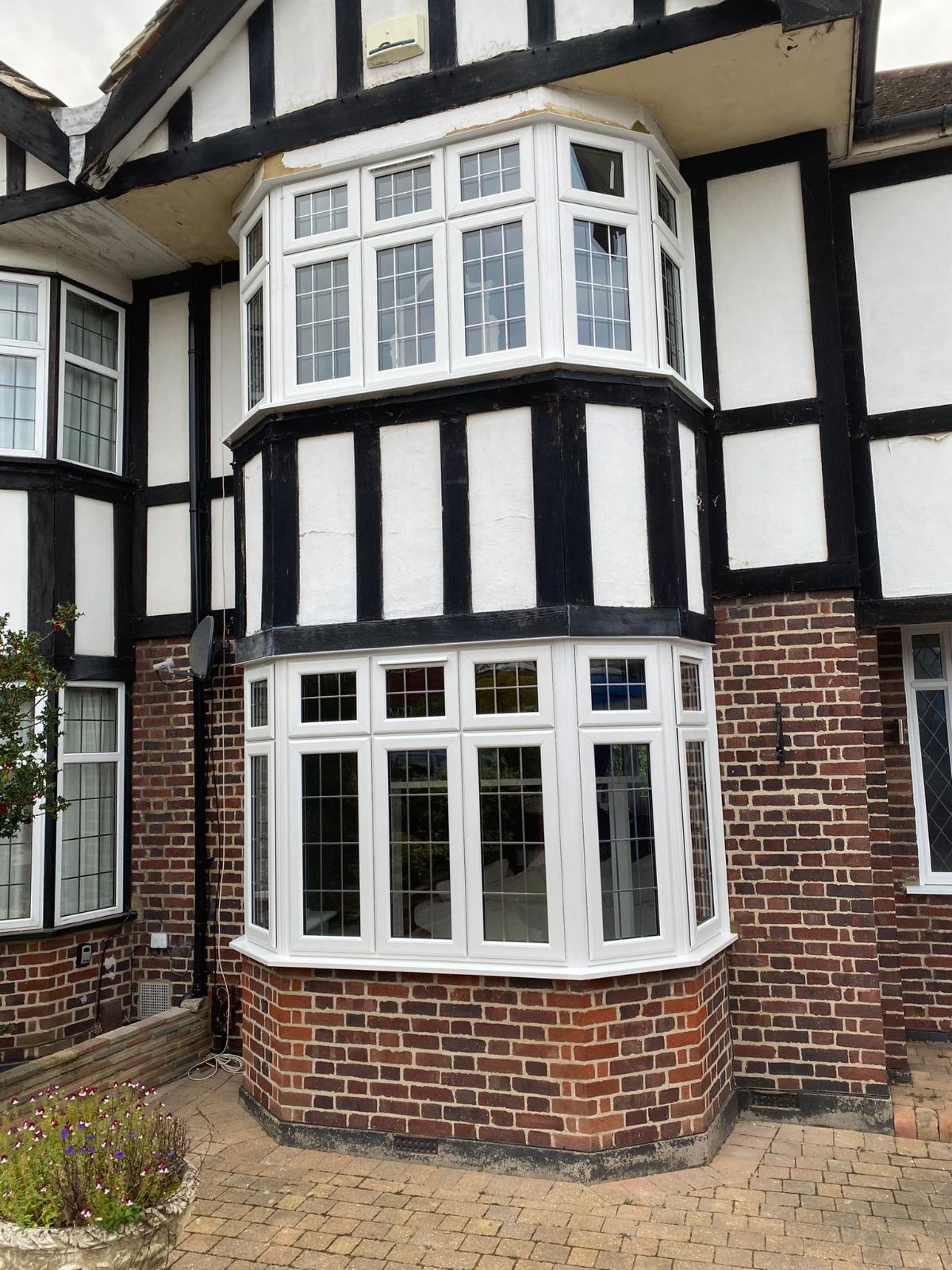
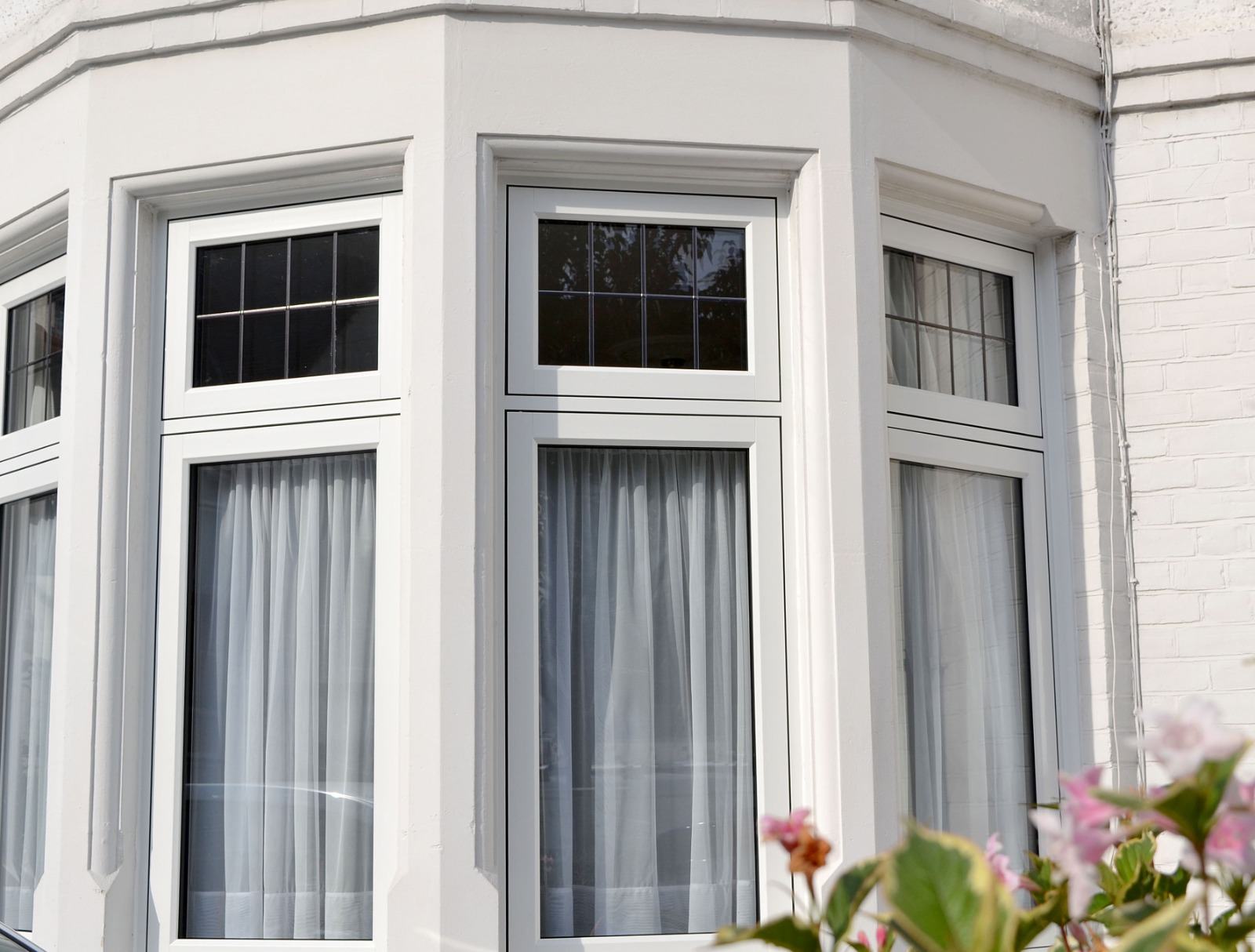
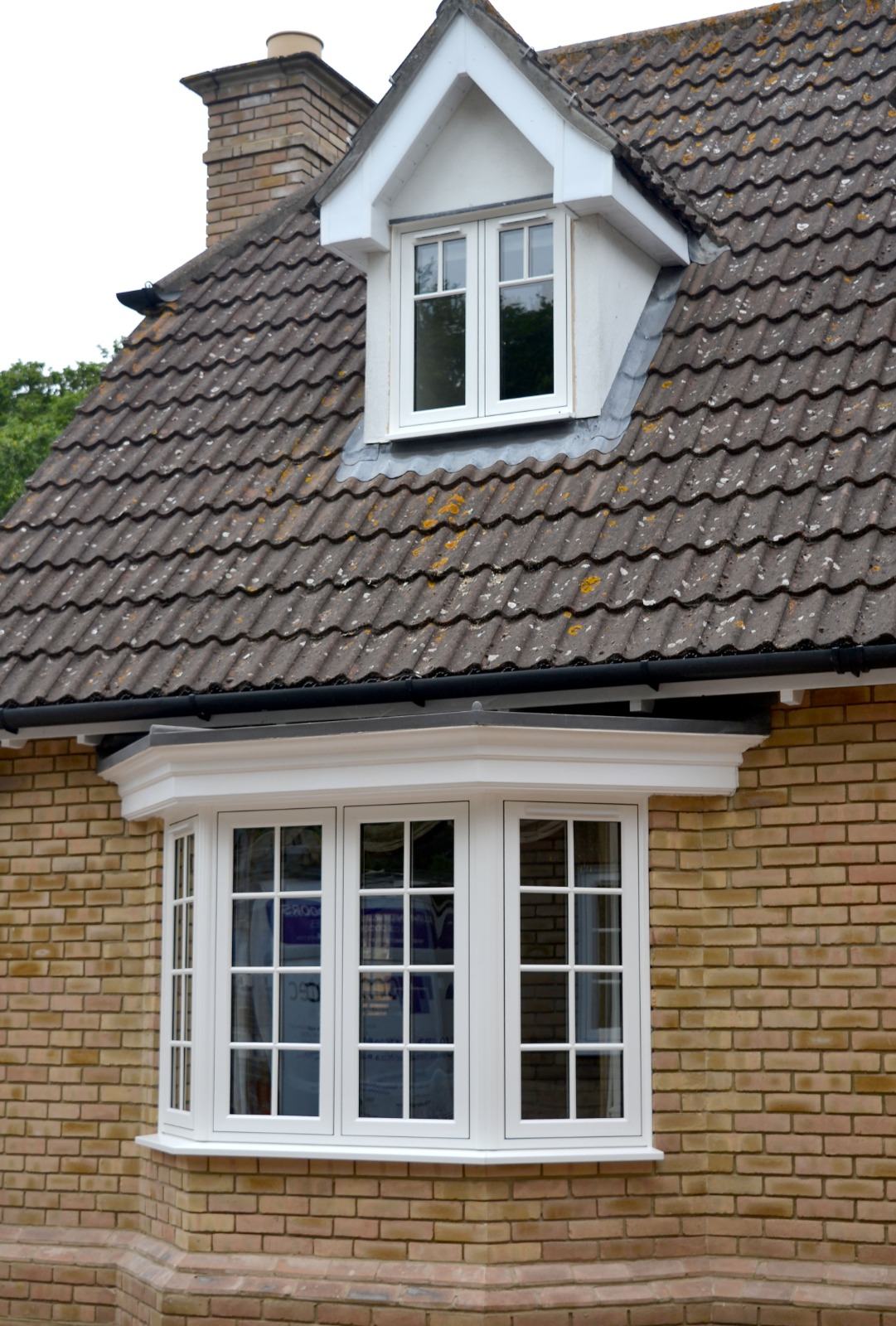
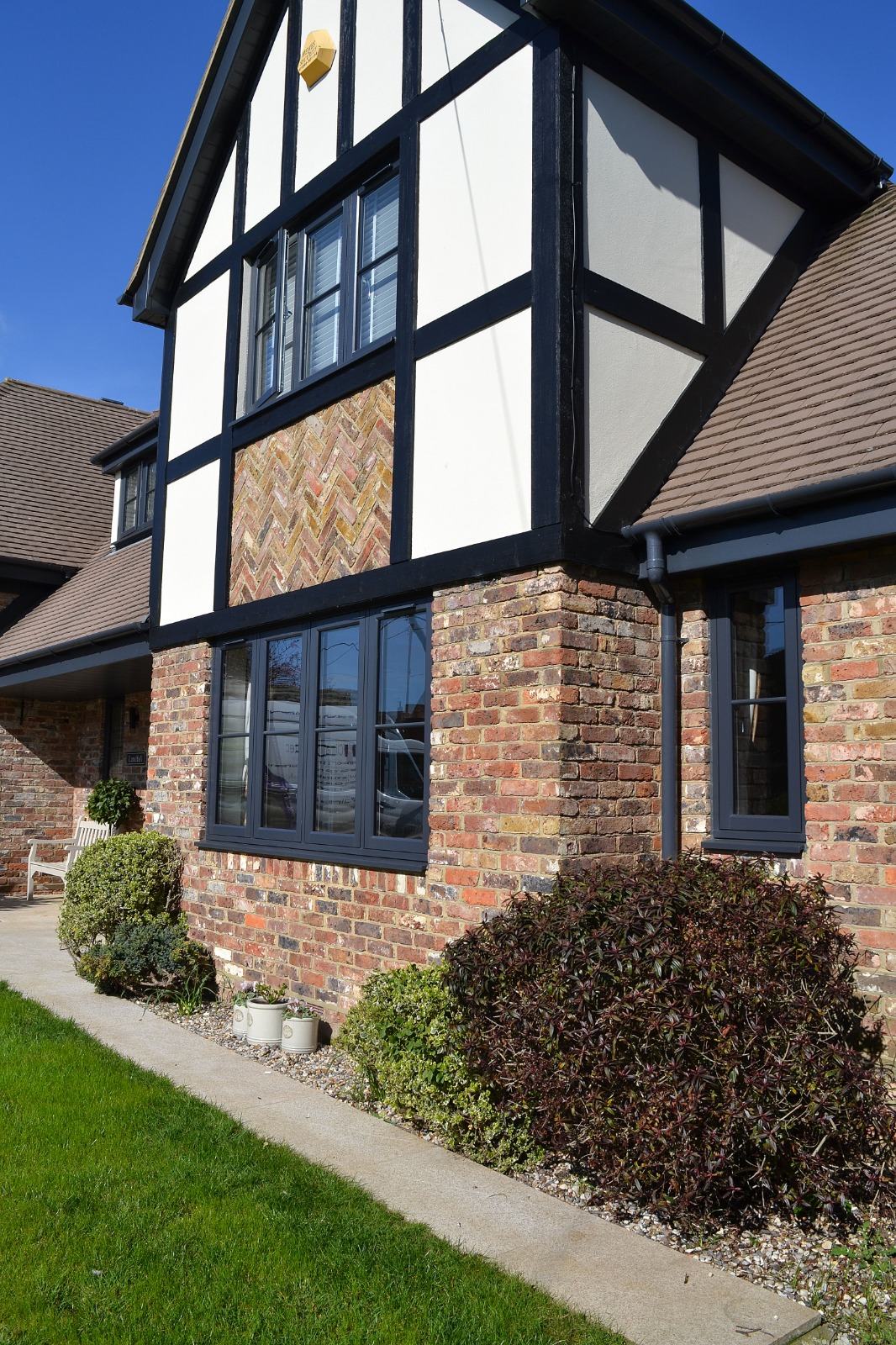
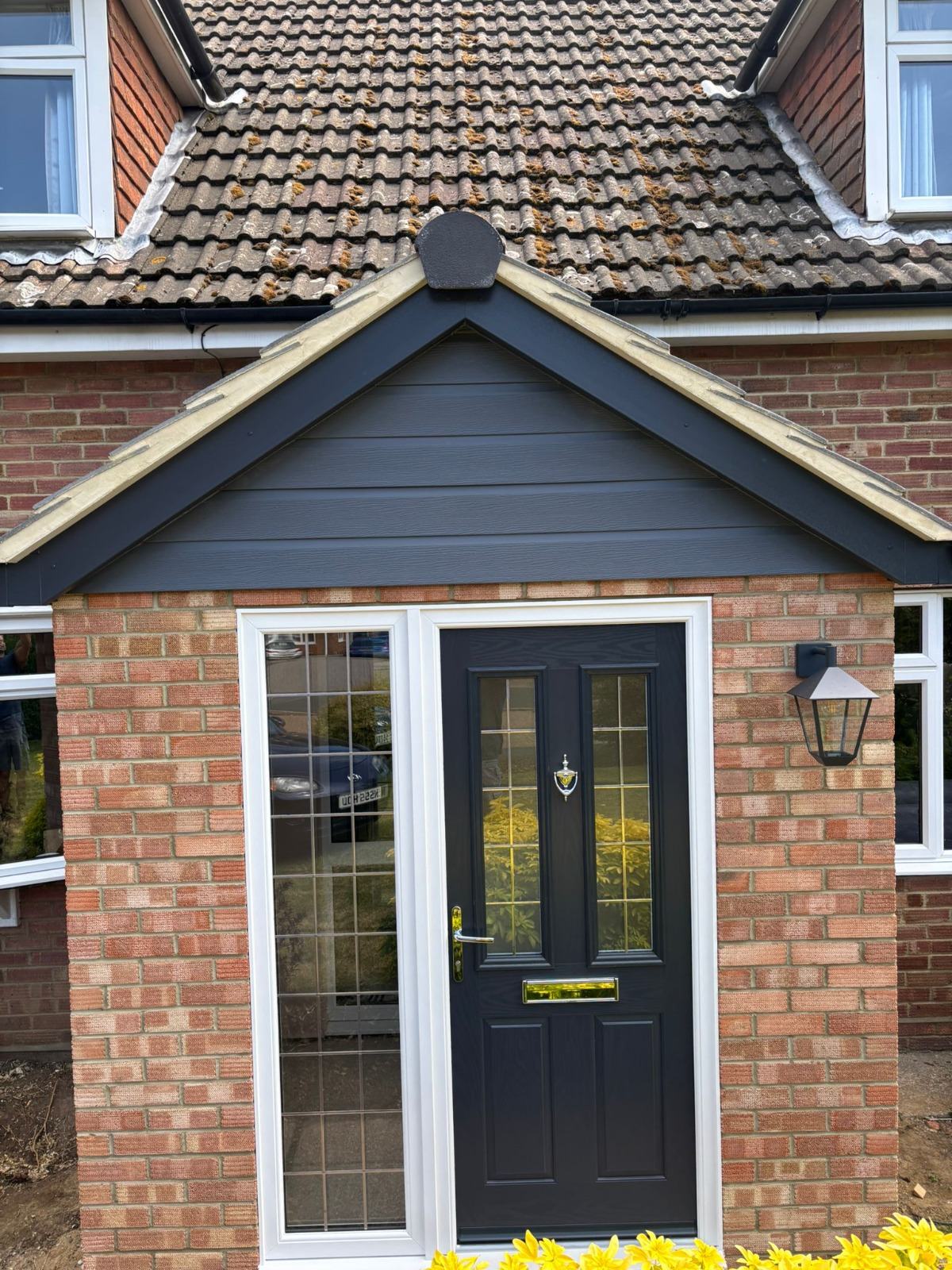
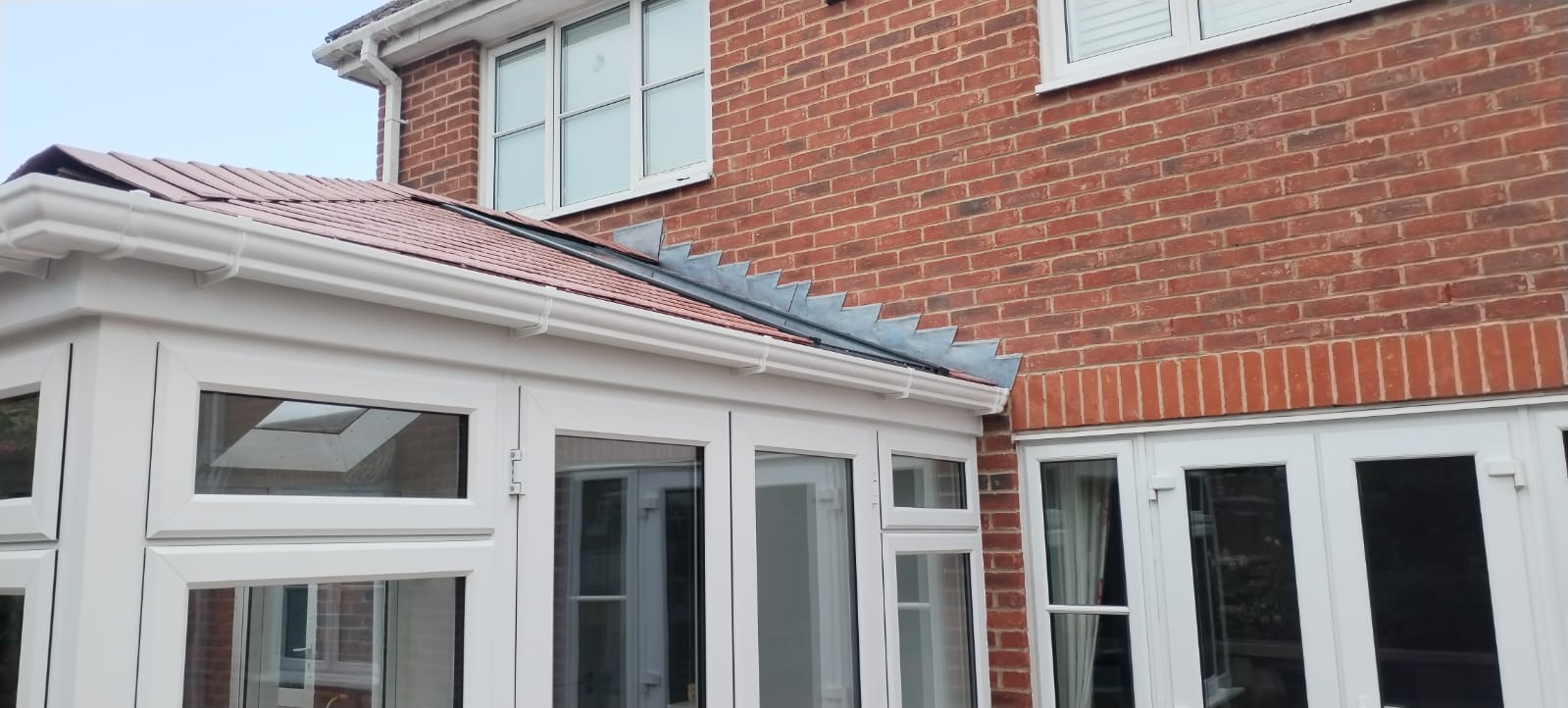
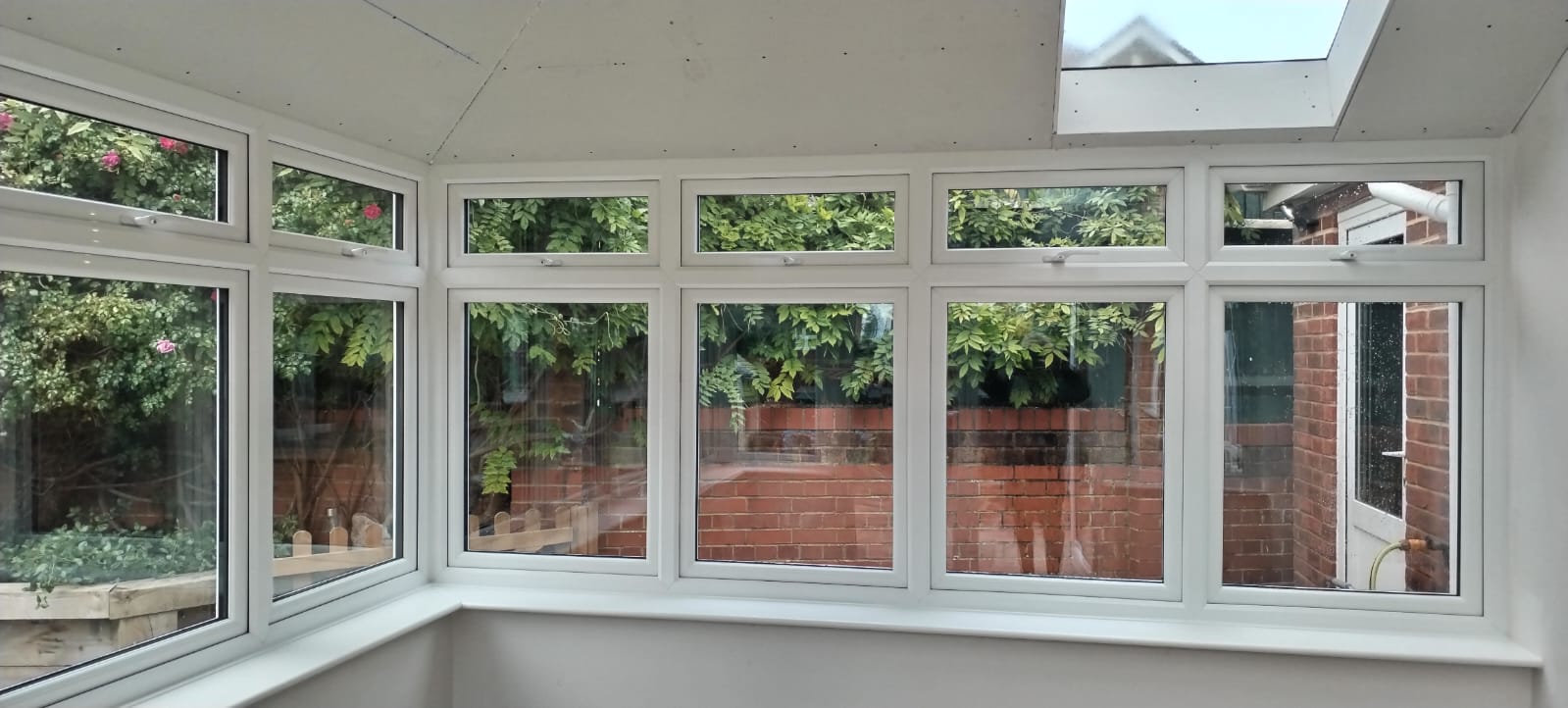
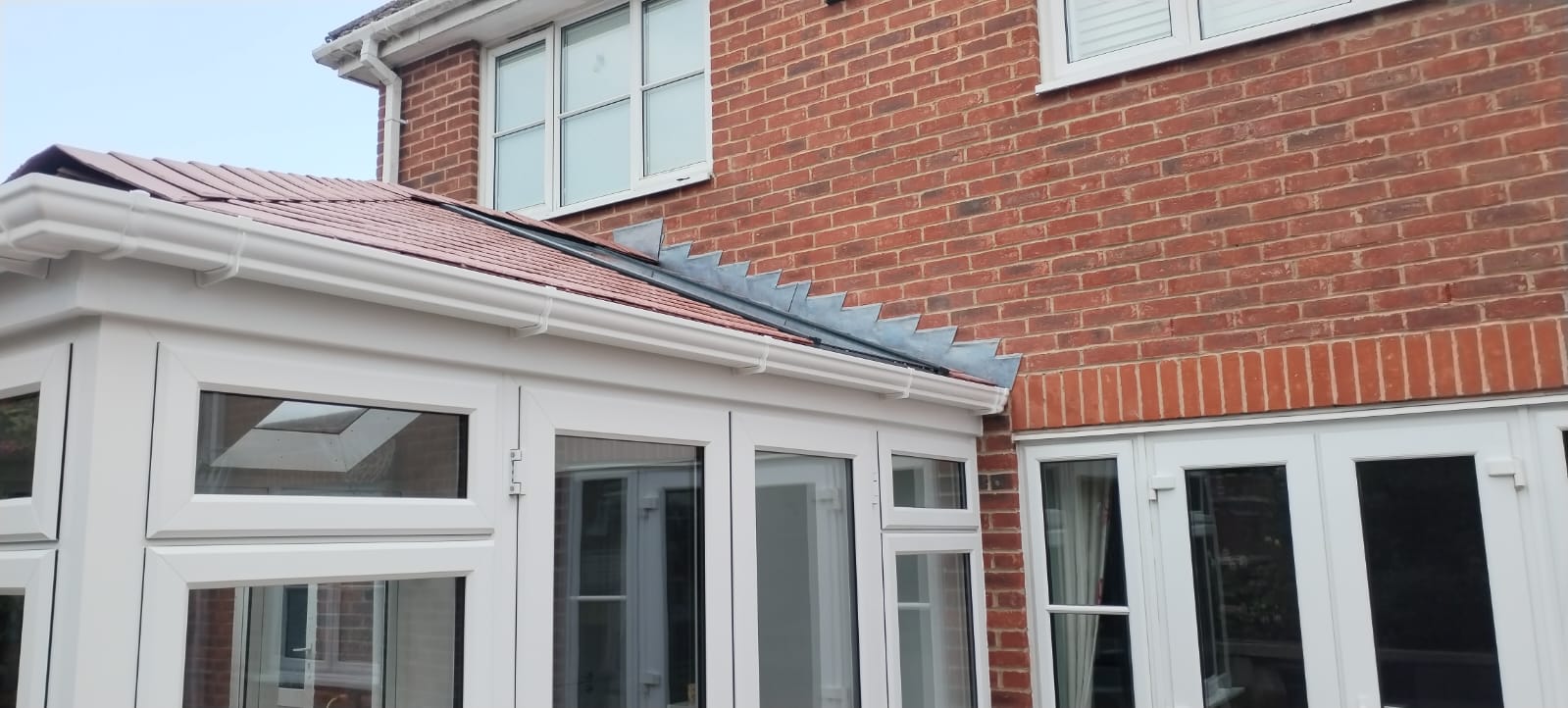
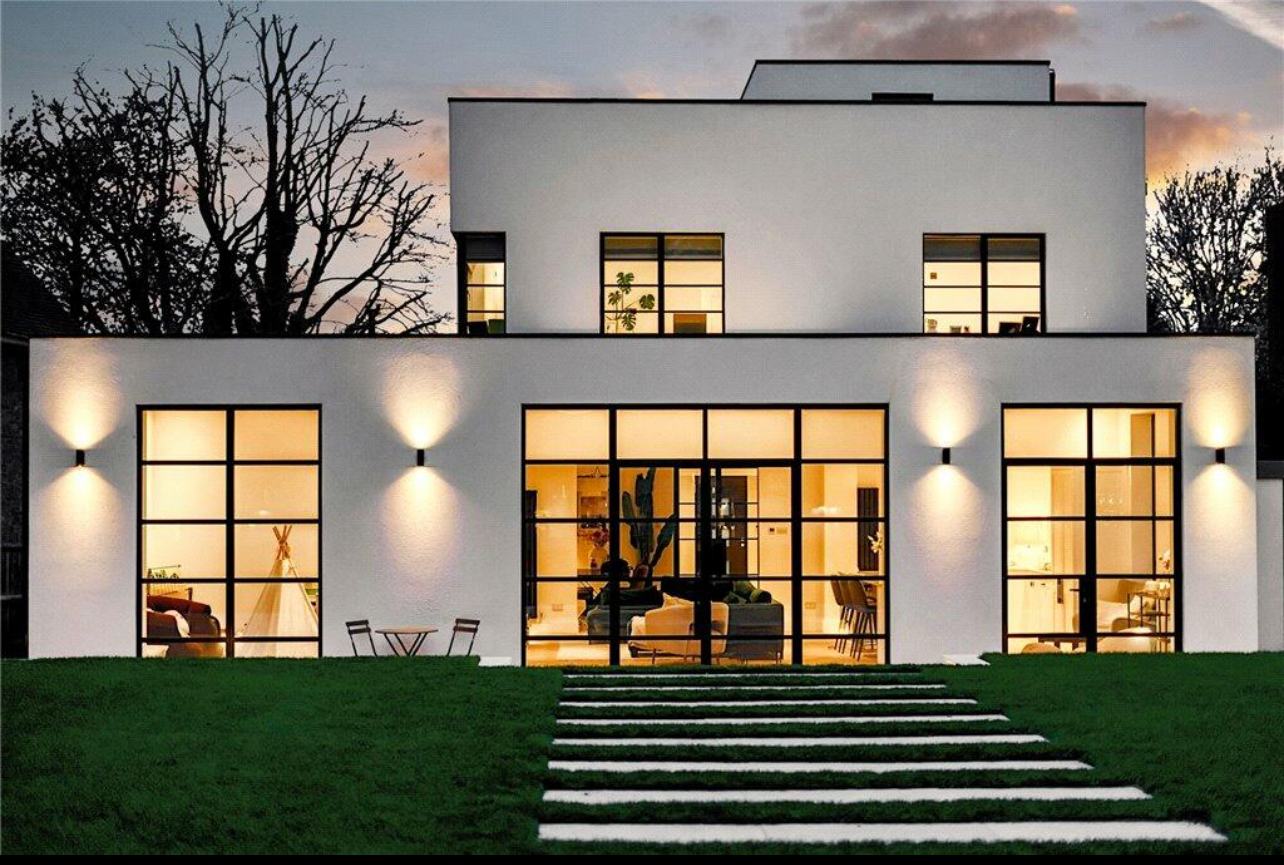
Real photos from projects across Kent, London, Surrey and the South East. Tap through to see the full gallery.
What happens if you leave it
A flat-roof extension without a rooflight or lantern is invariably darker than the owner imagined at design stage. Vertical glazing at the back wall alone doesn't push enough daylight to the front of the extension, so the kitchen at the house end of the room ends up needing electric light all day.
Adding daylight overhead solves the problem. Skipping it, or under-sizing the lantern to save cost, is one of the top regrets we hear from extension owners who visit us for other work years later.
The most common mistake we correct is a cheap lantern with thick frames and poor glass, or (worse) a lantern lifted straight onto a flat-roof deck with no upstand. Both compromise the room and the roof. Every Swift lantern is slim-frame with A-rated argon-filled solar-control glass, set on an insulated upstand.
From first call to sign-off
- STEP 1
Sales representative visit
One of our sales representatives comes out first to walk the property, understand what you want, talk through options, materials and finishes, and outline indicative pricing. No pressure, no time-limited discounts.
- STEP 2
Surveyor & fixed written quote
If you want to proceed, our surveyor attends separately to measure every opening precisely, check structural context (lintels, thresholds, reveals) and lock in the specification. You then receive a fixed written quote to compare like-for-like.
- STEP 3
Specification
Slim-frame system, glass spec (solar-control standard, self-cleaning coating), colour (RAL range) and any opening vent.
- STEP 4
In-house fitting team install
Opening formed, insulated upstand built up, lantern bedded on the upstand with correct flashing detail, and internal reveal made good.
- STEP 5
Test & sign-off
Every seal checked, any opening vent cycled, and the install handed over with a 10-year workmanship guarantee.
What you actually get
Dramatic daylight
A well-sized lantern delivers around three times the daylight of an equivalent-area vertical window.
Architectural focal point
A slim-frame lantern is a design feature in its own right, the reason architects specify them on kitchen extensions.
Feels larger
The volume gained by the raised lantern makes the room below feel materially larger without extending the footprint.
Thermally efficient
Solar-control coatings and A-rated argon-filled glazing keep the room usable in both summer and winter.
Weather-tight for decades
Correctly upstanded and flashed, a roof lantern is as reliable as any other part of the roof envelope.
Fixed price install
Every quote written, itemised and fixed, no day-rates, no surprise extras.
Roof Lanterns, how we specify
Roof lantern specification is where extensions live or die. Below are the choices that matter.
Size & proportion
As a rough guide the lantern should occupy roughly a third to a half of the flat-roof area on a typical single-storey rear extension. Under-sizing is the top regret we hear. We advise on proportion at design stage, larger is almost always better within structural limits.
Frame system
Slim-frame aluminium is the specification for a modern feel. Wider timber-look and traditional systems exist for period-style extensions. We install both, matched to the property.
Glass specification
A-rated argon-filled units with a solar-control coating are our standard. Self-cleaning outer coatings reduce cleaning frequency, which matters more on a lantern (harder to reach) than a normal window. Blue or neutral tint options are available.
Opening vents
An opening vent within the lantern provides passive stack ventilation, hot air rises and vents out, genuinely useful on hot summer days in kitchen extensions with a hob directly below.
Upstand & flashing detail
The insulated upstand kerb the lantern sits on is where reliability is made or lost. We build a proper insulated kerb, integrate the roofing membrane up the sides, and flash correctly. Skipping this is the single most common cause of lantern leaks on other installers' work.
Common questions
How much does a roof lantern cost, supplied and installed?
+
Every home is different, so we do not publish rates. Price depends on size, specification, glass, access and any structural work involved. Request a free survey and we will issue a fixed written quote before any work starts.
How long does installation take?
+
A retrofit into an existing flat roof typically takes two to four days including upstand build and making good the internal ceiling reveal. Installs on new extensions are programmed with the builder.
Will the lantern make the room too hot in summer?
+
Not with the right glass. Solar-control coatings on modern lanterns significantly reduce heat gain compared with older glass roofs. An opening vent adds passive cooling on the hottest days.
Will it be too cold in winter?
+
No, A-rated argon-filled double glazing with warm-edge spacers performs comparably to any modern vertical window. Radiator sizing in the room below should be calculated correctly, which is normal for any extension.
Do I need planning permission?
+
Usually no, most lanterns on flat-roof extensions are permitted development. Conservation areas and larger structures may require consent. Flagged at survey.
Can it be installed on my existing flat roof?
+
Yes provided the deck is sound. We assess this at survey, an install on a tired flat roof is often the cue to re-roof at the same time.
What if the lantern leaks?
+
Correctly upstanded and flashed lanterns are as reliable as the rest of the roof. Our 10-year workmanship guarantee covers install-related issues; the manufacturer covers seal failures within their warranty period.
Are there opening rooflight vents in the lantern?
+
Optional. Electric-opening rooflight vents integrated within the lantern are a popular specification for kitchens.
What guarantee do I get?
+
One 10-year Swift guarantee covering workmanship and the lantern, with any manufacturer cover included inside those 10 years. Swift Home Improvements Ltd, 03679915, trading since 1998.
Do you cover my area?
+
London, Kent, Surrey and the South East from Greenhithe. Call 01322 221010 if unsure.
Explore related pages
Get a fixed price for your roof lanterns in writing
Director-level survey, no pressure, and a written fixed price you can compare like-for-like. We get back to you promptly.
FENSA registered·10-year workmanship guarantee· London · Kent · Surrey · South East